


While dahlia season reaches its peak in late summer and fall, the real work for next year’s garden happens underground. What you do in these final weeks of growth can make a difference in how well your tubers hold up over winter storage. A few simple steps before frost can help ensure your tubers store well and bounce back strong come spring.
Stop Feeding Nitrogen
Nitrogen is useful early on when plants are building sturdy stems and leafy growth. But by August, a established plant has already done that work.
Adding more nitrogen now just forces another flush of tender leaves. That wastes the plant's energy on top growth it doesn't need, when it should be focusing on plumping up the tubers forming below. Stopping nitrogen after August lets the plant shift gears naturally.
Change the Way You Deadhead
Earlier in the summer, we cut dahlias deep to push out long, elegant stems great for floral arrangements and to encourage fresh branching.
As autumn approaches, there isn't enough time for new flower stems to mature, so deep cuts stop being helpful.
Instead, snip spent blooms right above the nearest leaf node. Keeping that leafy canopy intact allows the plant to keep converting sunlight into starches and sugars, storing energy right down into the tubers.
Keep clearing away faded flowers unless you're saving seed. Seed production drains a lot of strength, and there's no reason to let the plant spend its reserves on seeds you won't use.
Continue Watering
Even as the rest of the garden starts to fade, dahlias are often at their best, putting on a show right up until frost.
Keep up your regular watering routine. As long as a plant is covered in green foliage and blooms, it's working hard. Cutting back on water prematurely can stress the plant right when tubers are swelling.
Of course, if autumn rains do the job for you, hold off if the ground is already wet. Just don't treat an actively blooming plant like it's dormant yet. Aim for consistently moist, well-drained soil, letting natural rainfall and moisture levels guide your watering schedule.
An Optional Potassium Check
This step is entirely optional, but it can be helpful.
Dahlias use a considerable amount of potassium during the growing season. Potassium helps the plant regulate water and move the carbohydrates made in its leaves down into its tubers. If potassium is deficient, the plant cannot use those carbohydrates as efficiently.
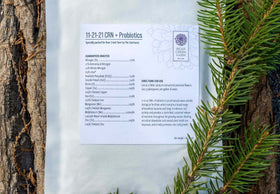
If you want to give your tubers an extra boost before harvest, early fall is a good time to run a soil test. If potassium is running low, top it up with a zero- or virtually no-nitrogen amendment while the foliage is still actively photosynthesizing. Liquid kelp or organic tomato feeds often work well, but read the label closely to make sure you aren't unintentionally adding unwanted nitrogen.
If your soil already has plenty of potassium, extra won't help. Think of this as a simple wellness check to make sure the plants have what they need to finish strong.
You Don't Have to Wait for a Hard Frost
The familiar advice is to wait for a hard frost and then wait another two weeks before digging. While that's a handy guideline, frost itself isn't what ripens tubers—time and maturity do.
Dahlias generally need roughly 120 to 140 days in the ground to form solid, mature tubers. Count back to your planting date, but keep overall weather in mind. A plant put out early that enjoyed a warm summer will mature faster than one planted late or slowed by cool weather.
Once your plants hit that maturity window, you don't have to wait around for frost to dictate your schedule.
If a hard freeze hits first, it will blacken the foliage. Then let the tubers cure in the ground for 10 to 14 days before digging.
If the tubers are mature but frost is nowhere in sight, you can prompt dormancy yourself. Strip away the flowers and main growth, cut back the stems, and stop watering. Let them sit underground for that 10 to 14-day resting period.
Because hollow dahlia stems act like funnels that direct rain straight down into the crown, cap every cut stem to keep water out. You can slip upside-down foil, plastic cups, or waterproof garden tape over the tops. This ground-curing phase gives tuber skins time to toughen up, making them far less prone to nicks and rot during lifting, washing, and storage.
Of course, don't stick rigidly to a timeline if extreme weather intervenes. If heavy autumn rains are soaking the beds or a severe deep freeze is on the way, dig the tubers up early. Protecting them from rot or freezing always takes priority.
What to Do Now
To sum up your late-season checklist:
-
Stop feeding nitrogen.
-
Deadhead at the nearest healthy leaf node.
-
Continue watering unless autumn rain is doing it for you.
-
If you want the extra assurance, check your soil potassium.
Keep track of how long your dahlias have been growing, and choose the best window for you to wrap up the season.
Great tubers aren't created on digging day—they're built during these final weeks of care. Taking these simple steps now helps ensure plump, healthy tubers that store reliably all winter and come back strong next spring.
very helpful. i appreciate this new piece of not waiting until the first frost. my plants are looking tired but still are producing beautiful blooms. i may cut them back sooner than later